The solution to unsustainable school energy bills
Thought leader
30 Mar 2023
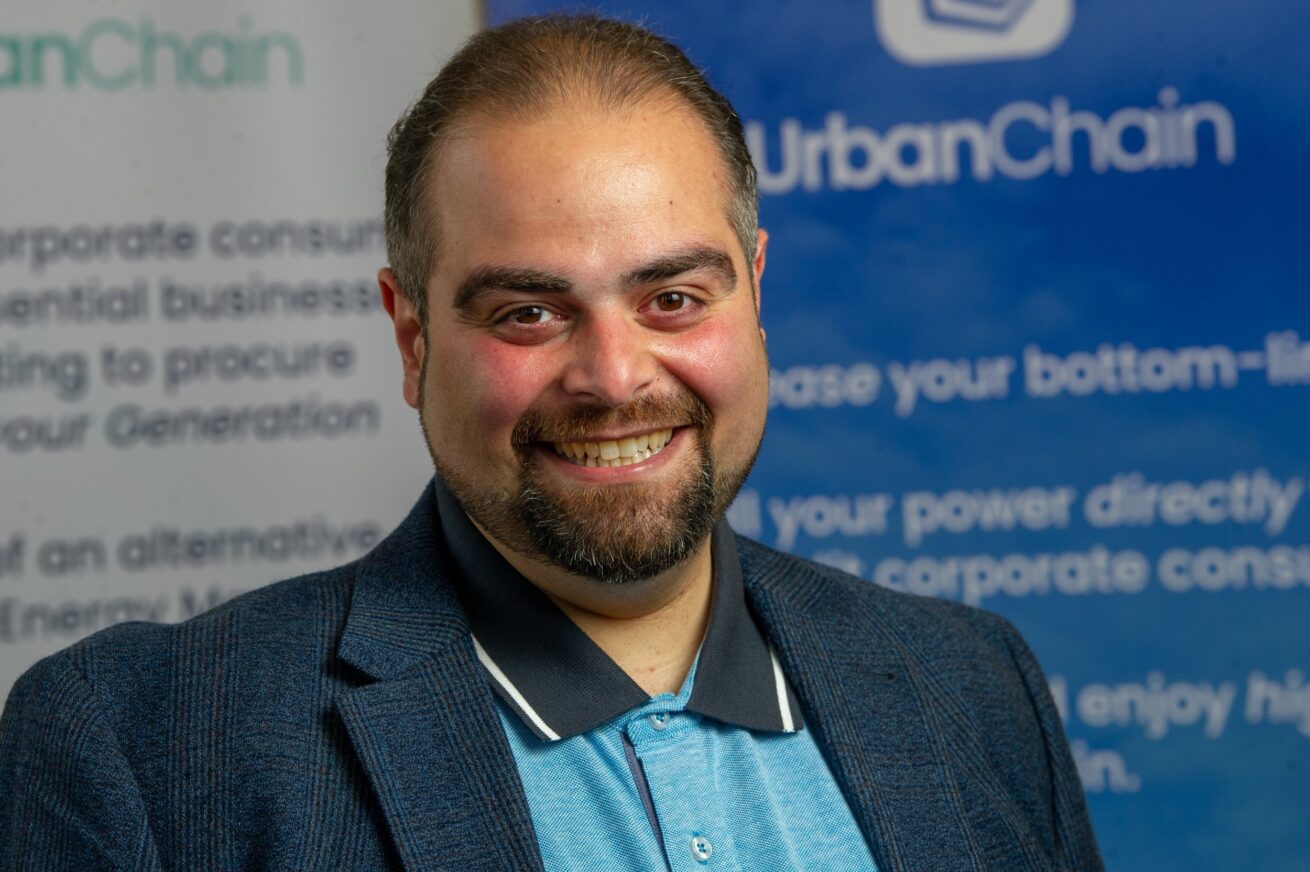

Dr Mo Hajhashem
30 Mar 2023
With government support ending that month for schools, energy bills are set to rocket. UrbanChain’s COO Dr. Mo Hajhashem discusses what can be done to address this pressing issue.
New analysis shows that primary and secondary schools in London will now face an annual £85 million energy bill.
With the cost of living crisis showing no signs of abating, UrbanChain says it can help schools to deal with the imminent rise in energy provision.
How can UrbanChain help schools set to be hit with soaring energy bills from April onwards?
Reports predict energy bills will hit schools in London at a rate of £80 for every pupil, described as “clearly unsustainable, unmanageable and deeply worrying.” UrbanChain operates a peer-to-peer (P2P) energy exchange connecting renewable energy generators with consumers including businesses, organisations, households, hospitals, and schools.
How will schools lower their energy bills if they join the trading platform?
Schools’ energy bills were capped under the energy bill relief scheme until March 31, 2023, with a less generous discount scheme replacing it in April. UrbanChain clients across private and public sectors receive clean, green, hyper-local energy at lower costs. The company uses AI and blockchain technologies to reduce prices and various cost categories, significantly lowering overall energy provision costs.
Do you believe the energy bill relief scheme should be more generous?
The company avoids political involvement but notes that “energy bill relief schemes can’t always be in place.” Such ongoing relief would be unsustainable and harm the broader economy. UrbanChain references schools requesting equipment assistance as concerning, attributing these challenges to the “broken inefficient UK energy market model” that has remained unchanged too long.
Founded in 2017, UrbanChain’s mission addresses poverty alleviation and energy market reform. The company continues “disrupting the energy market by reducing energy bill prices for businesses and households, making renewables viable without government subsidies” while enabling NetZero targets.
Does UrbanChain offer cost stability?
Analysis from the Liberal Democrats found London primary schools face cuts of £55.62 per pupil annually, while secondary schools lose £80.42 per pupil per year in support.
A case example involves UrbanChain’s partnership with West Suffolk Council and GridDuck, bringing 50 businesses into the P2P energy exchange at Milden Hall Industrial Park. The P2P system offers £280/MWh to these businesses, compared to previous rates around £450/MWh, facilitated through hyper-local renewable energy generators.
Can schools be onboarded soon?
Yes, given high levels of renewable energy generation within the P2P energy exchange. Despite challenging economic and social circumstances, UrbanChain’s approach toward making energy “decarbonised, digitalised, and decentralised” brings transparency and traceability to the energy supply chain through a dedicated renewable energy market.
Where does safety and security rank?
Safety and security represent “utmost priority.” The company solves multiple problems: renewable generators no longer need intermediaries; intermediaries avoid wholesale market transactions; unnecessary bureaucratic layers are eliminated. UrbanChain’s technology maintains energy provision security while simplifying long-standing market complexities.
Related articles

Q+A
Gary Hart on Purpose, Growth and Operations
Gary Hart, Head of Customer Operations at UrbanChain, shares his thoughts on joining UrbanChain after nearly 30 years in energy, what it takes to deliver service excellence at scale, and his ambitions for the years ahead.
28/09/2026
Thought leader
Key takeaways from our webinar: What greater control over business energy looks like in practice
Discover three lessons on energy certainty, private energy markets and reducing business exposure to volatile wholesale prices. Watch the webinar on demand.
24/09/2026

Thought leader
Making private energy markets mainstream with e2 Energy Partners
See how a private energy market secured long-term commodity price stability, renewable energy traceability and zero wholesale gas market exposure.
24/09/2026