Making renewable energy work for everyone
News
24 Mar 2025
24 Mar 2025
Solar power should cut bills for all of us
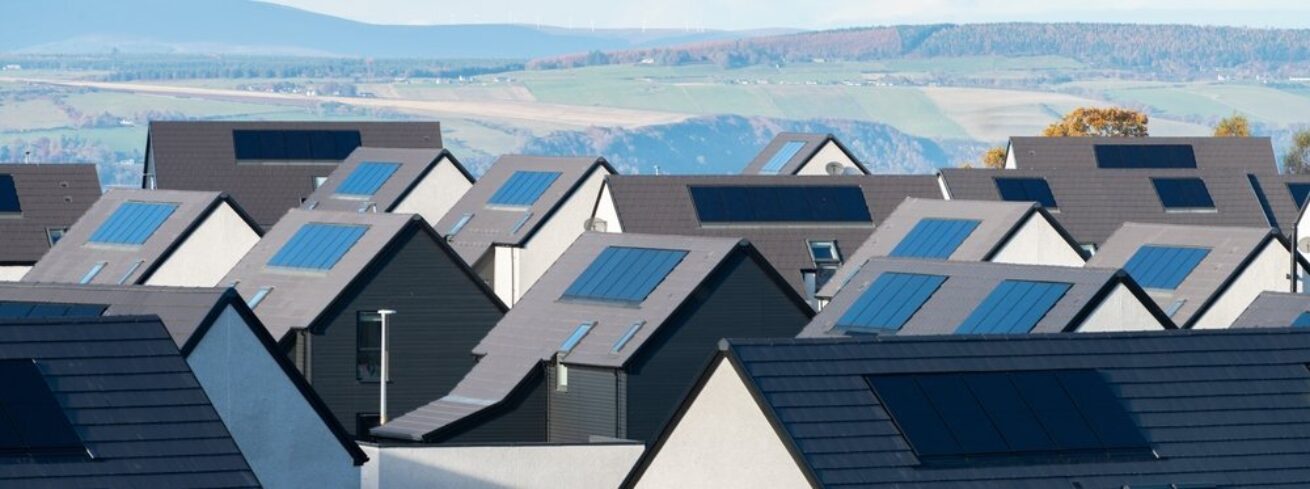
Energy bills remain unaffordably high for millions despite accessible solar power remaining out of reach. According to the Resolution Foundation’s Sunny day saving report, solar installation could reduce bills by 24% and help lift 1.2 million people from fuel poverty. A family with a 3KW solar system could save approximately £440 annually through self-consumption and grid sales.
The primary obstacle is affordability, solar panel installation costs roughly £6,500 per household, inaccessible to low-income families. Without financial assistance, clean energy benefits will concentrate among wealthier households.
Government support must go deeper
The UK government’s rooftop revolution initiative within the Warm Homes Plan provides up to £15,000 per household for energy efficiency upgrades including solar. Though potentially helpful, targeted assistance remains essential for lower-income participation.
Zachary Leather, Resolution Foundation economist, states:
“Rooftop solar panels can cut poor households’ energy bills by around a quarter and their returns compare well with other bill-cutting measures. But despite this win-win scenario, too few families, particularly in poorer areas, are getting them installed. The government should include a new means-tested support scheme for solar panels in the upcoming Warm Homes Plan.”
Beyond grants, government must provide simplified access, consumer education, and installation facilitation. Without these measures, solar adoption favors affluent homeowners.
A better way: local energy markets
Millions could reduce energy expenses through solar, yet grants alone prove insufficient. UrbanChain’s green energy marketplace eliminates intermediaries, enabling solar owners to sell excess energy locally at fair pricing while households access affordable renewable power without inflated costs or market volatility.
Scaling up: real-world impact
This model operates in practice. The Dudley Metropolitan Borough Council partnership created the UK’s first Virtual Power Plant in Brockmoor, a two-year initiative reducing household bills and fuel poverty while generating sustainable revenue. West Midlands Combined Authority funded this project.
Essex hosts the £5.4 million SHIELD project, addressing fuel poverty and emissions for vulnerable households through affordable energy solutions. Funded through Ofgem’s Strategic Innovation Fund and managed with Innovate UK, UK Power Networks leads this initiative.
The future of solar: collaboration and investment
Achieving universal solar accessibility requires smart policy, market innovation, and investment. Government funding alone proves inadequate; private sector investment must drive transitions enabling communities, businesses, and local authorities to build scalable local energy markets. Collaboration between governments, businesses, and communities unlocks solar’s complete potential, ensuring energy savings reach those requiring assistance most.
Related articles
News
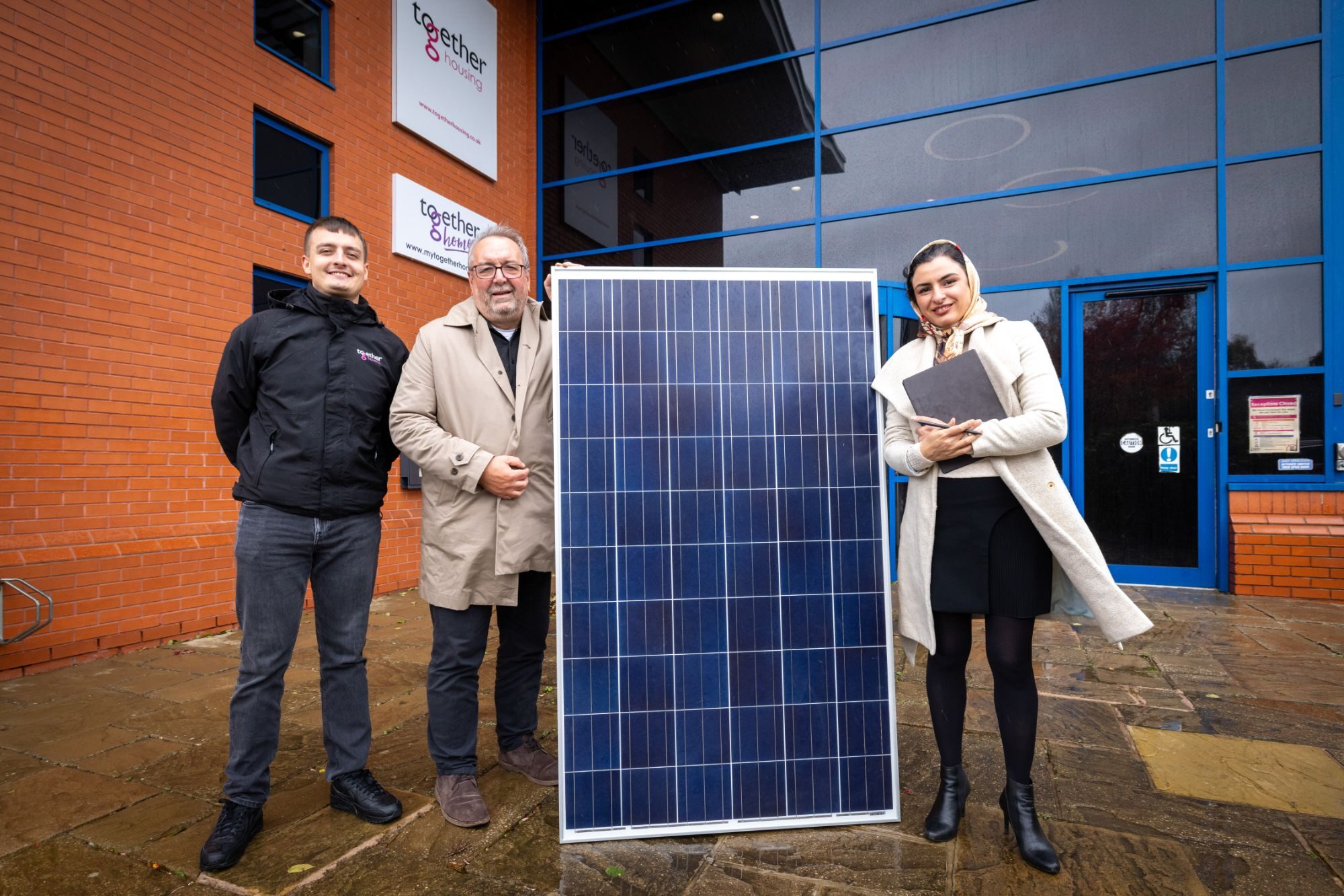
Together Housing partners with UrbanChain for unique renewable energy supply collaboration across social housing in Northern England
Together Housing Group has partnered with UrbanChain to use the excess solar generated on its properties across its landlord supply, a world-first collaboration on social housing energy distribution.
17/11/2026

Thought leader
Beyond BICS: Sweet relief – but only half the story
BICS promises welcome relief, but there are more things businesses can do to address energy bills while they wait for implementation in April 2027.
26/10/2026
Thought leader
Blocked from BICS? There are other ways to take control of energy costs
Businesses left out of the British Industrial Competitiveness Scheme are still vital to the economy and still suffering from high energy prices – so what can they do instead?
26/10/2026